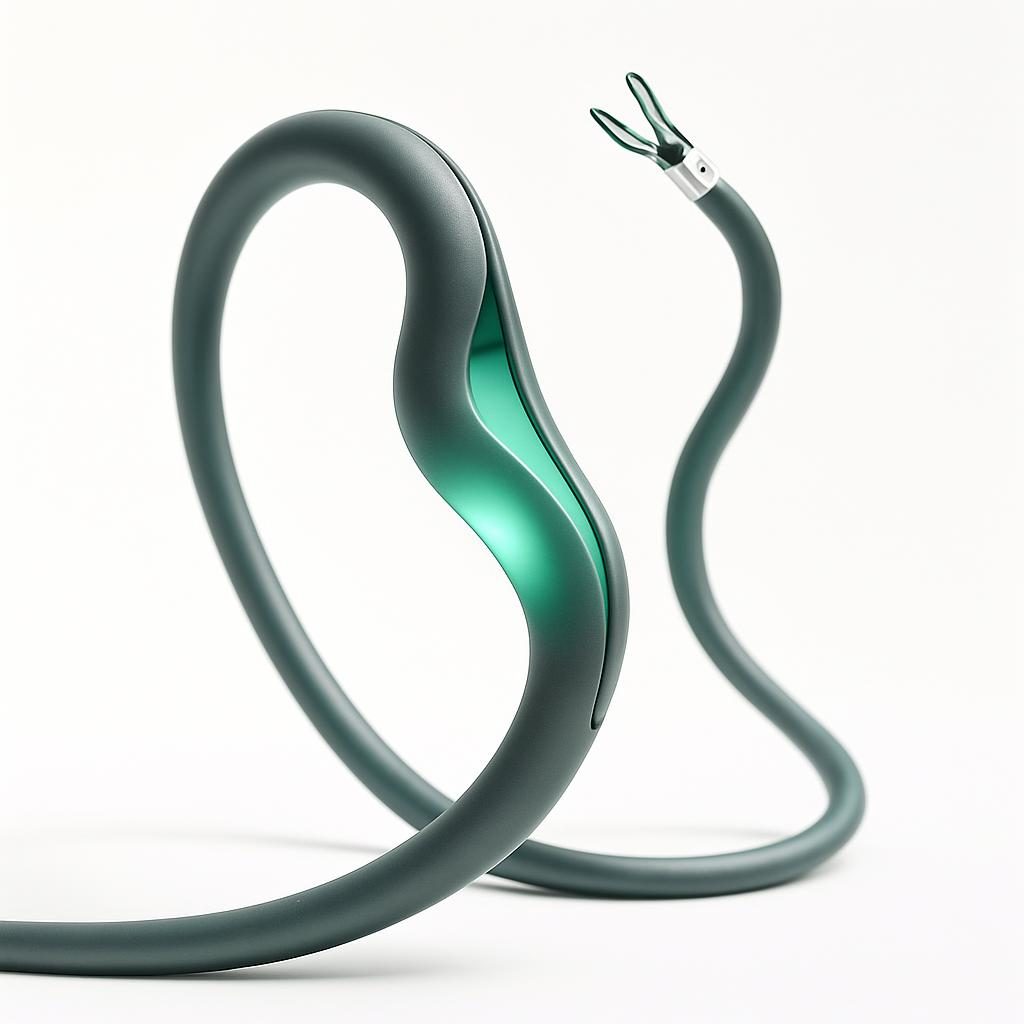
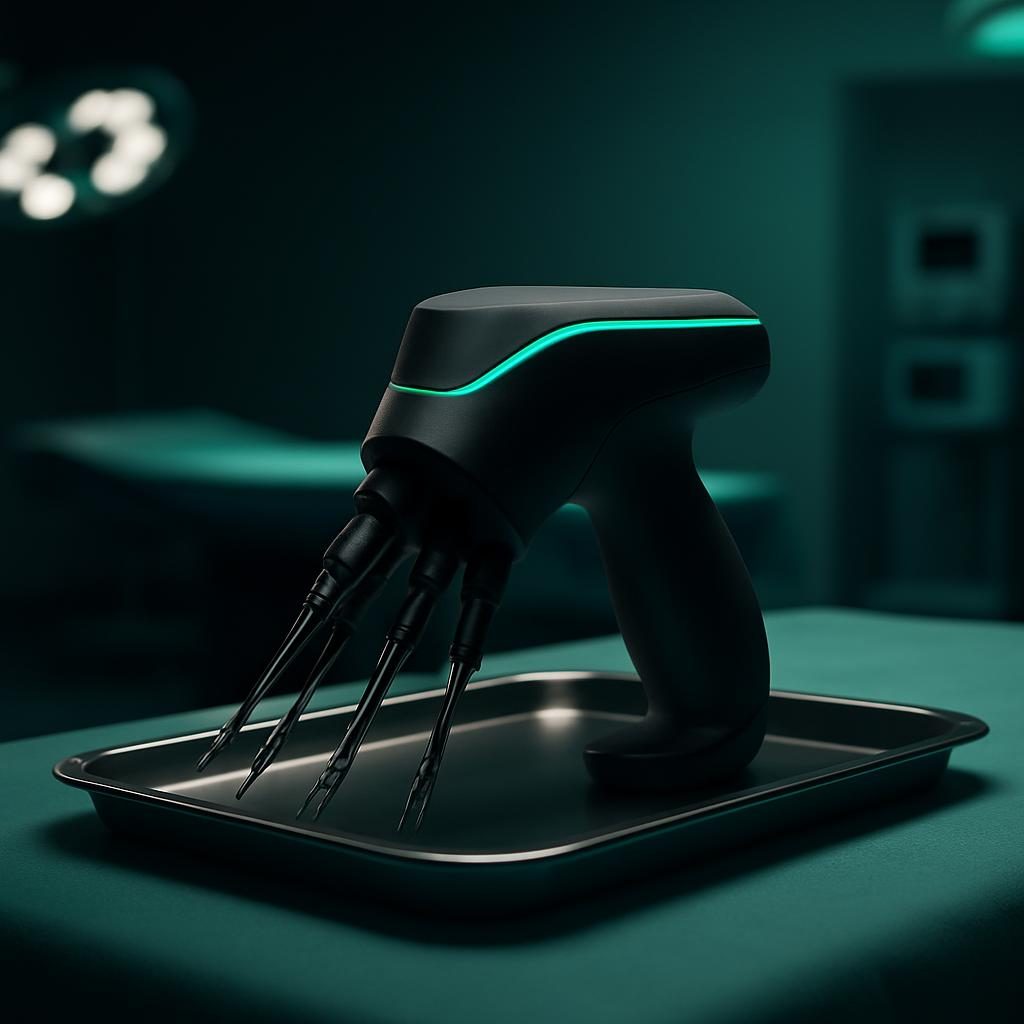
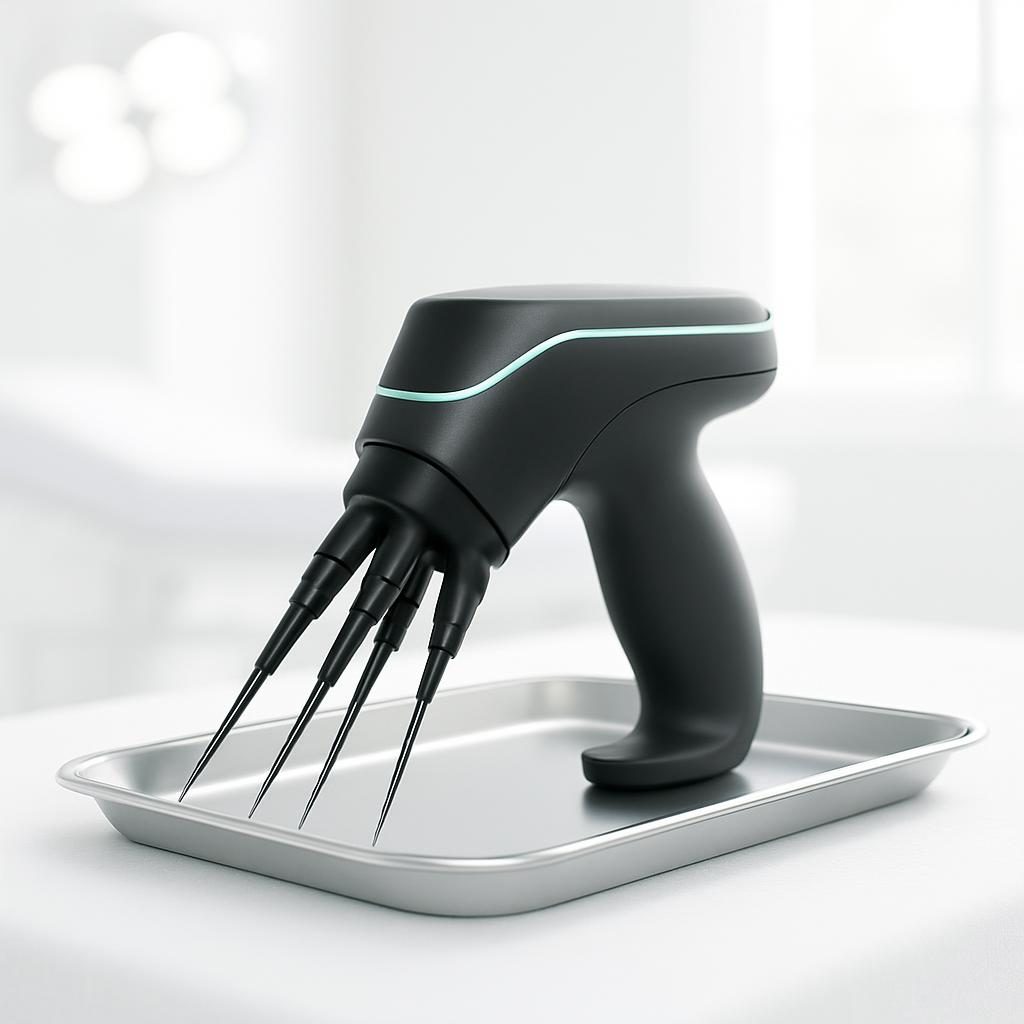
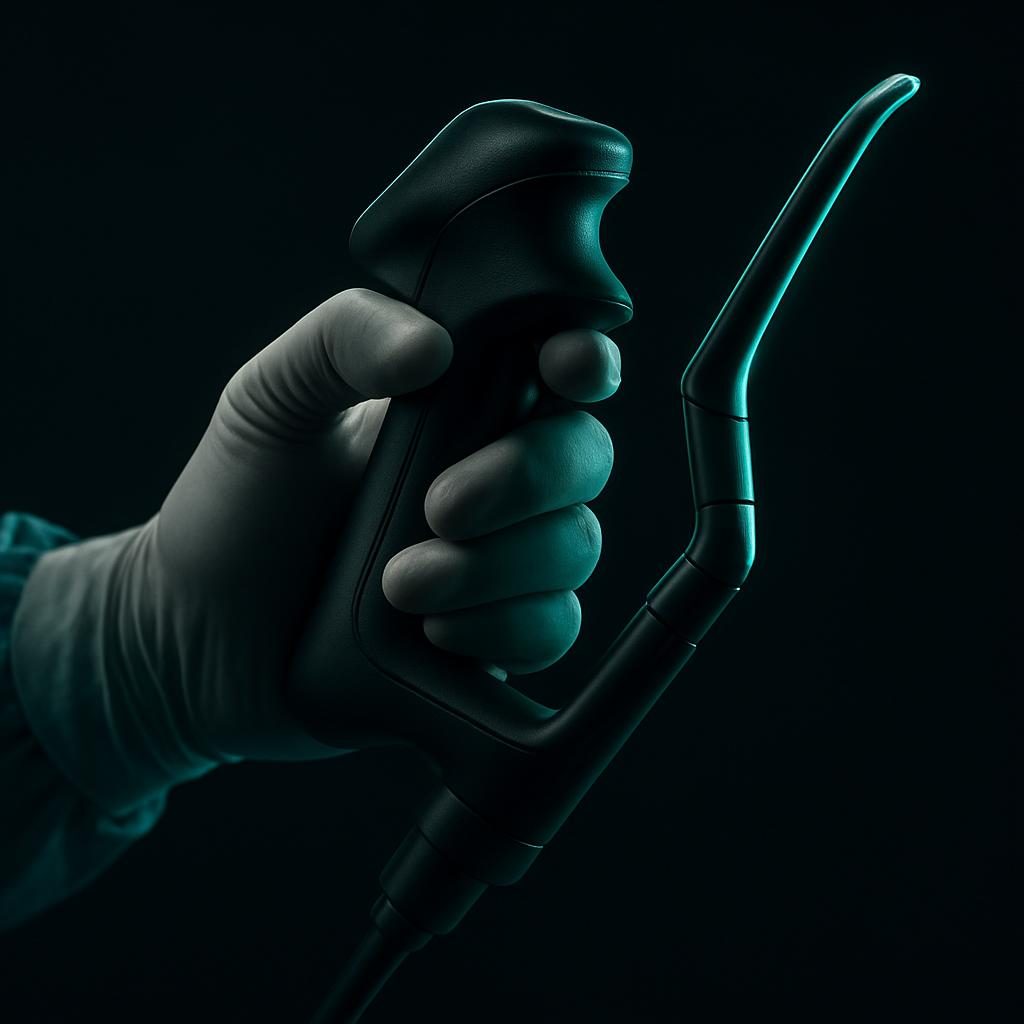
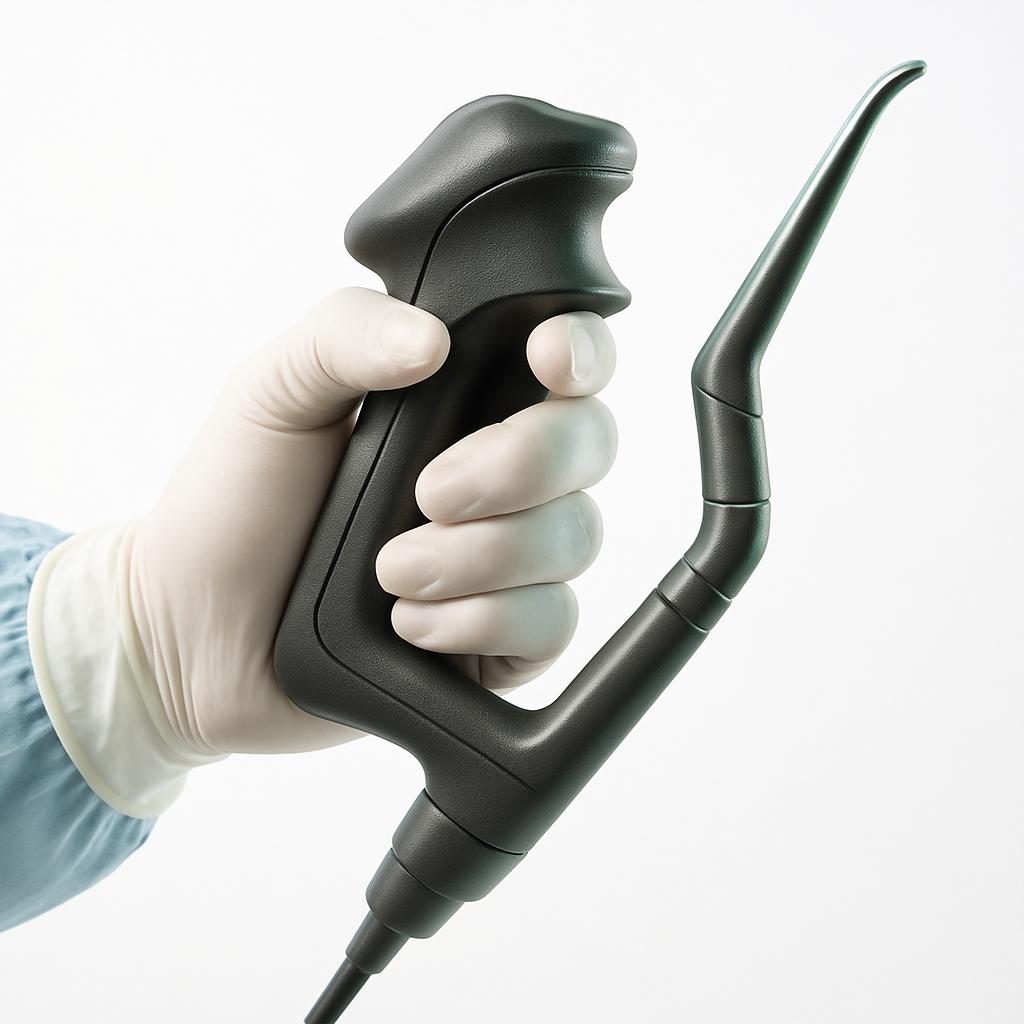
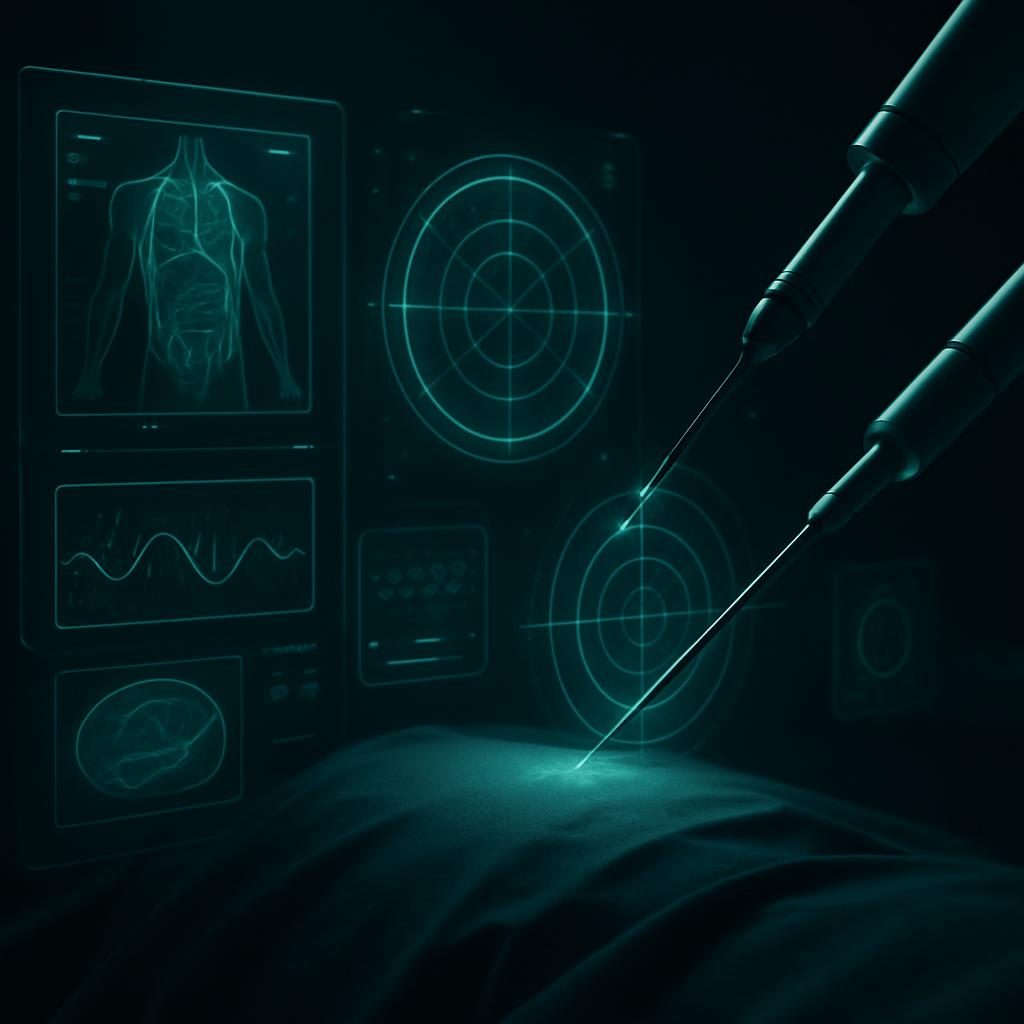
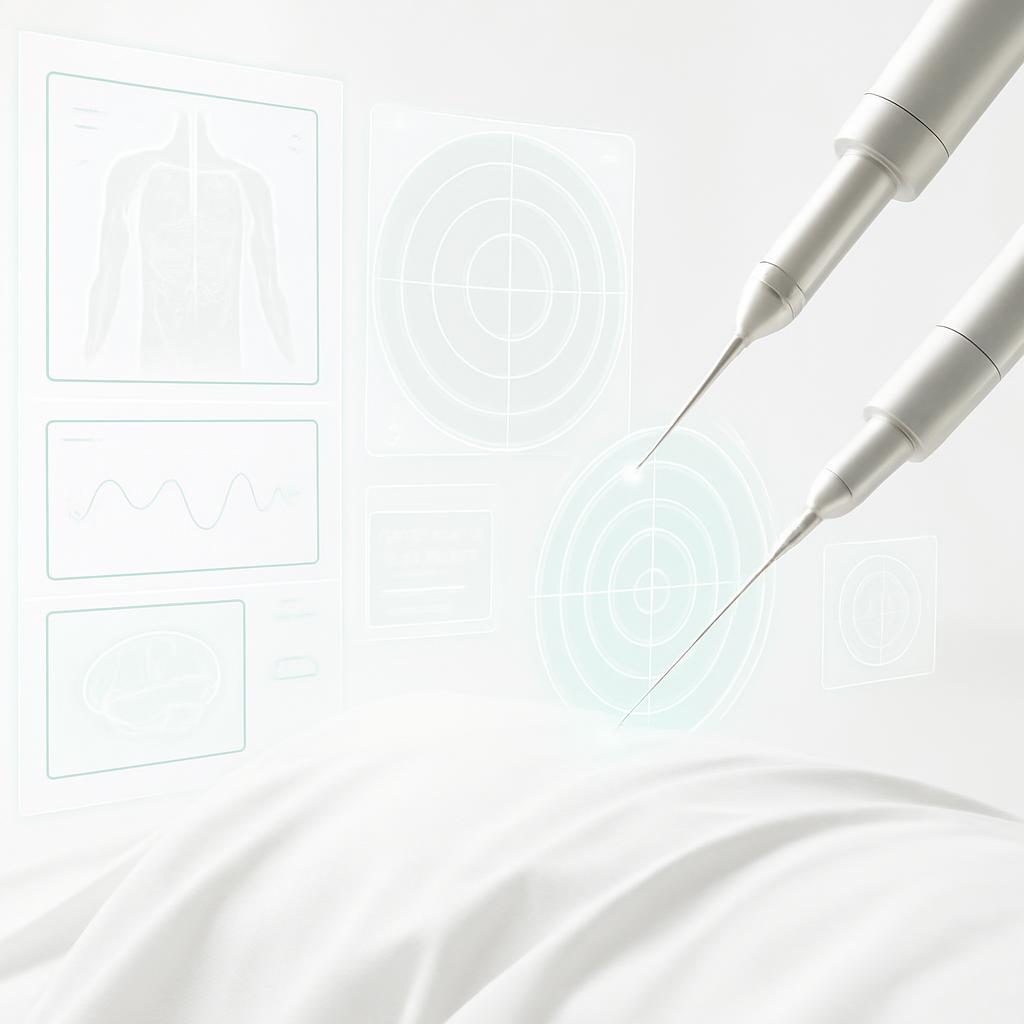
Aevum is reimagining the surgical robot as handheld instruments — robotic precision and articulation beyond the freehand, for minimally-invasive and natural-orifice (NOTES) procedures, at a fraction of a console’s cost and footprint.
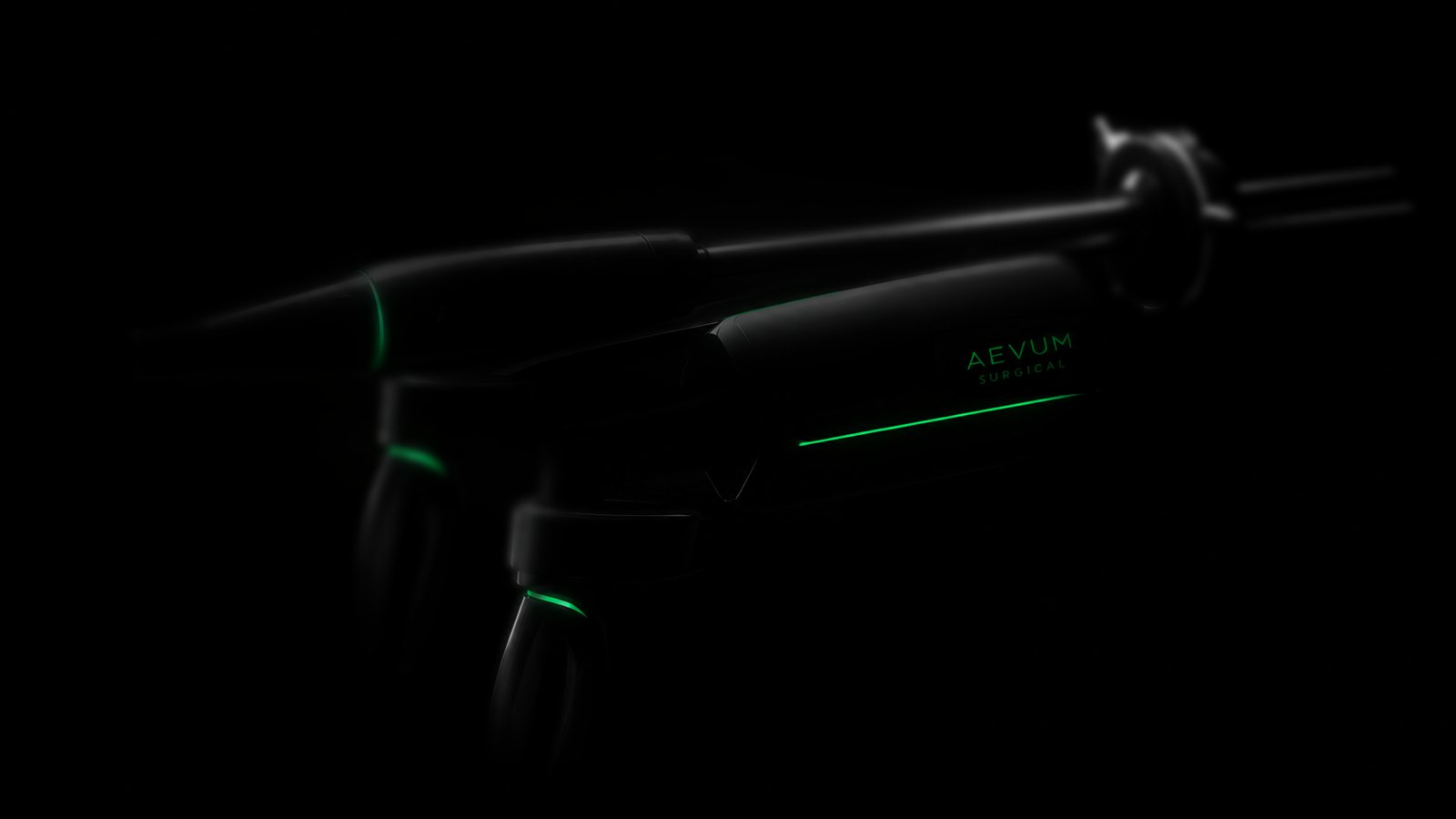
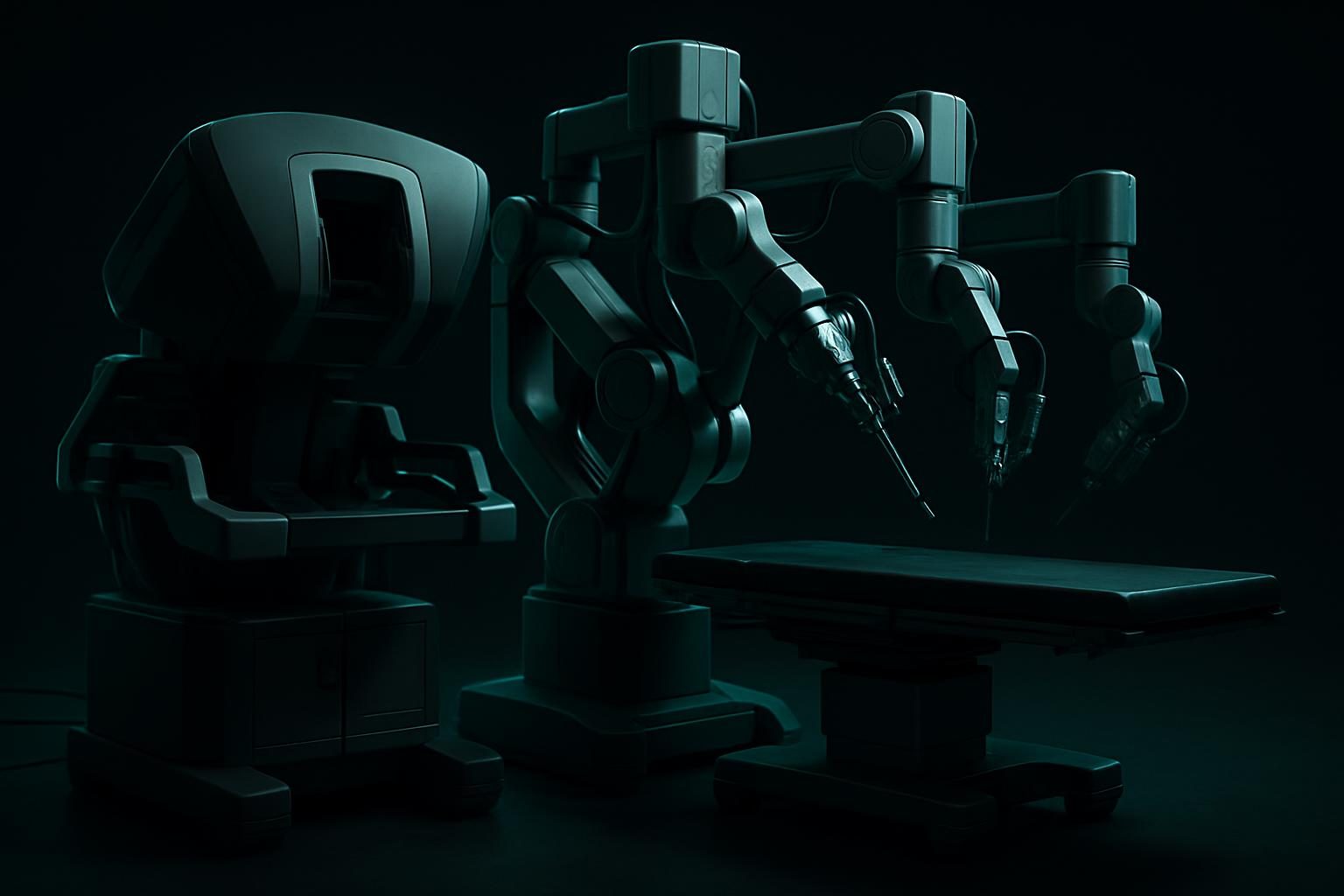
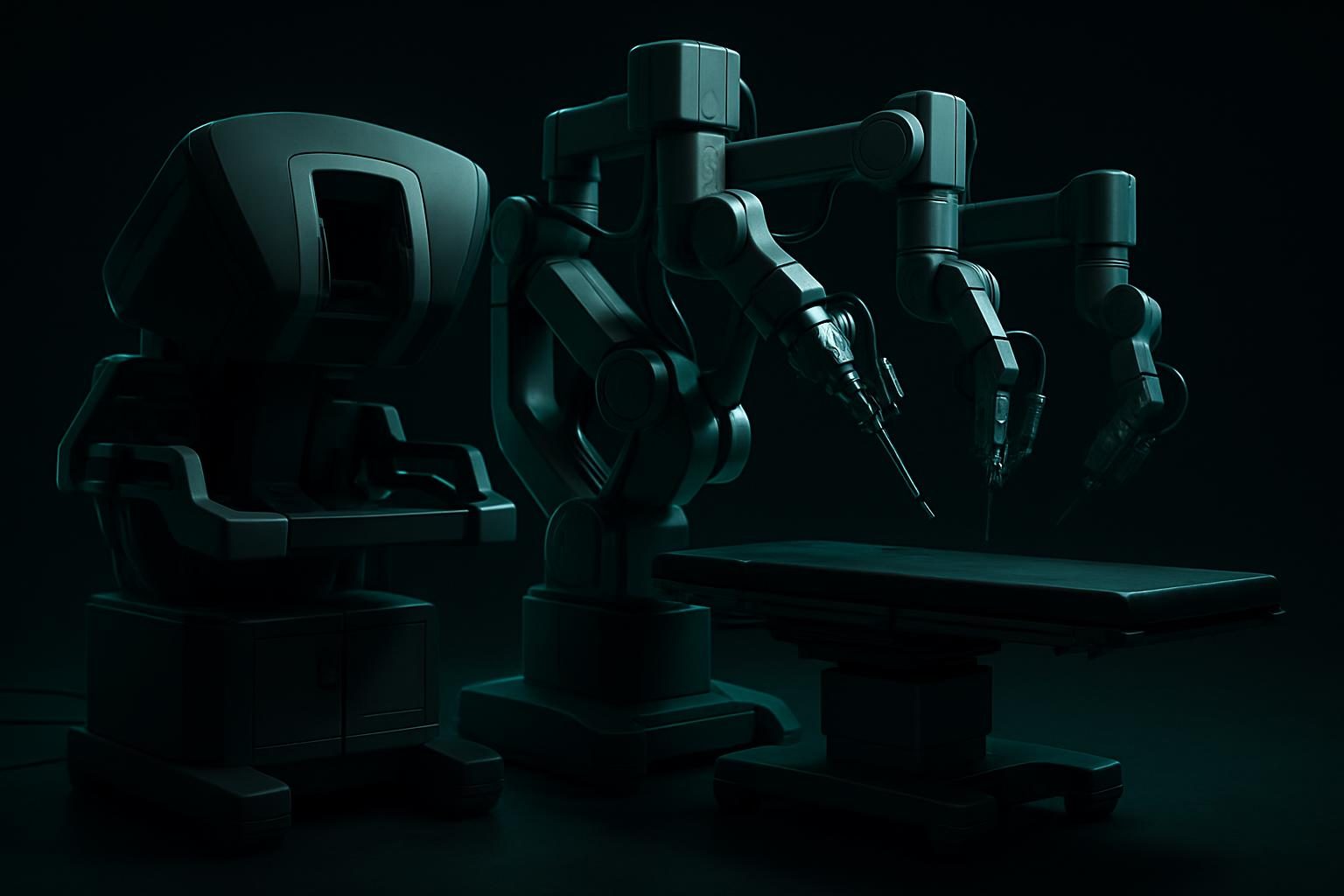
Today's platforms are large, complex master–slave systems — brilliant on capability, out of reach for most operating rooms.

Console robots demand dedicated OR space, infrastructure changes and months of certification — so adoption stays concentrated in top-tier urban hospitals while mid-tier and emerging markets go underserved.
Robotic control and precision in compact, hand-operated instruments — without the cost, footprint or setup of a master–slave console.

S.01 · Precision
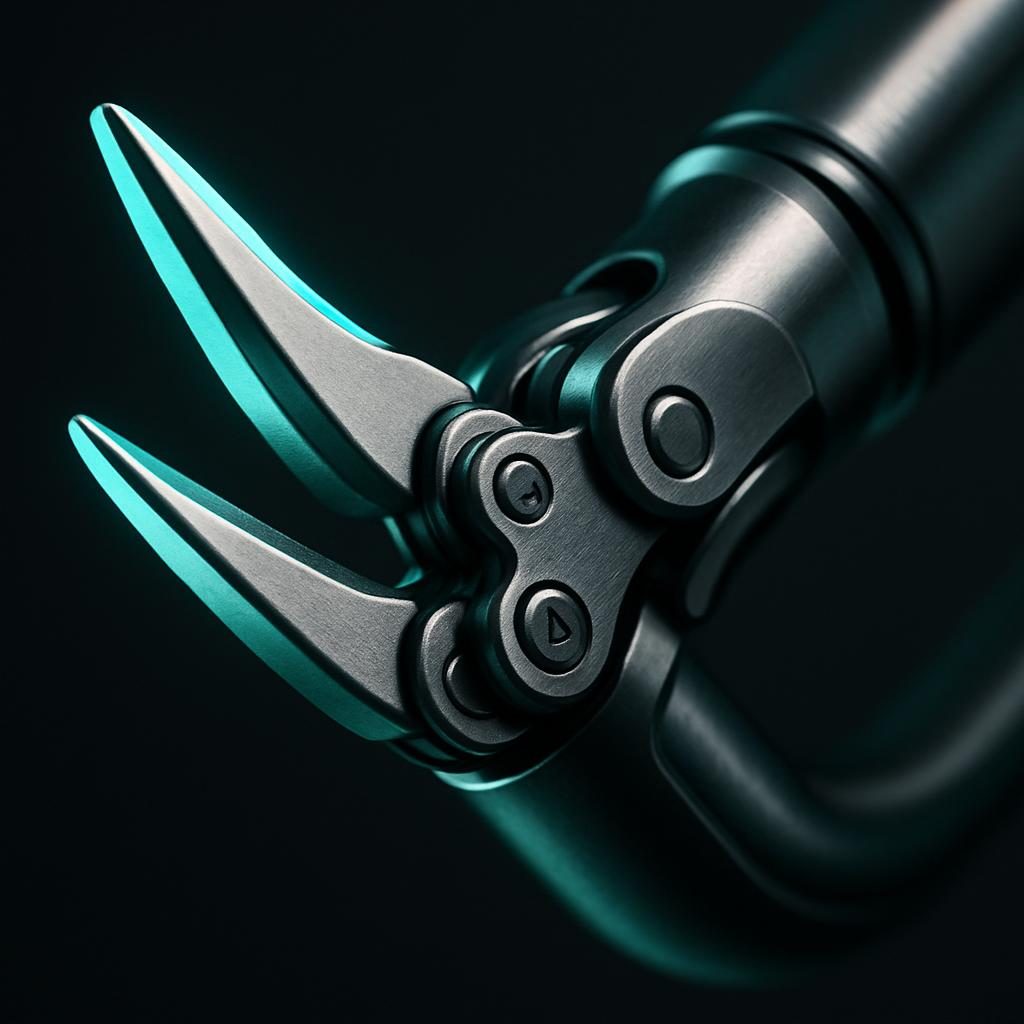
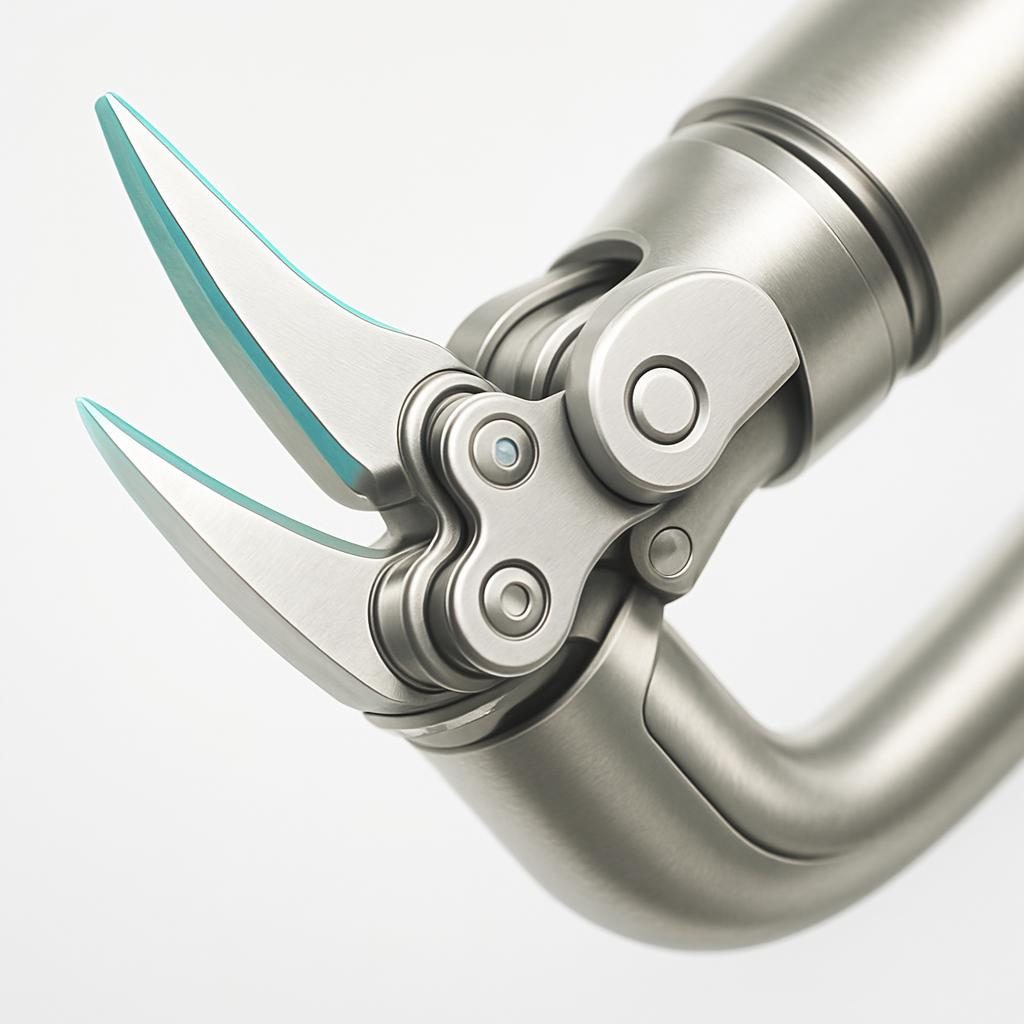
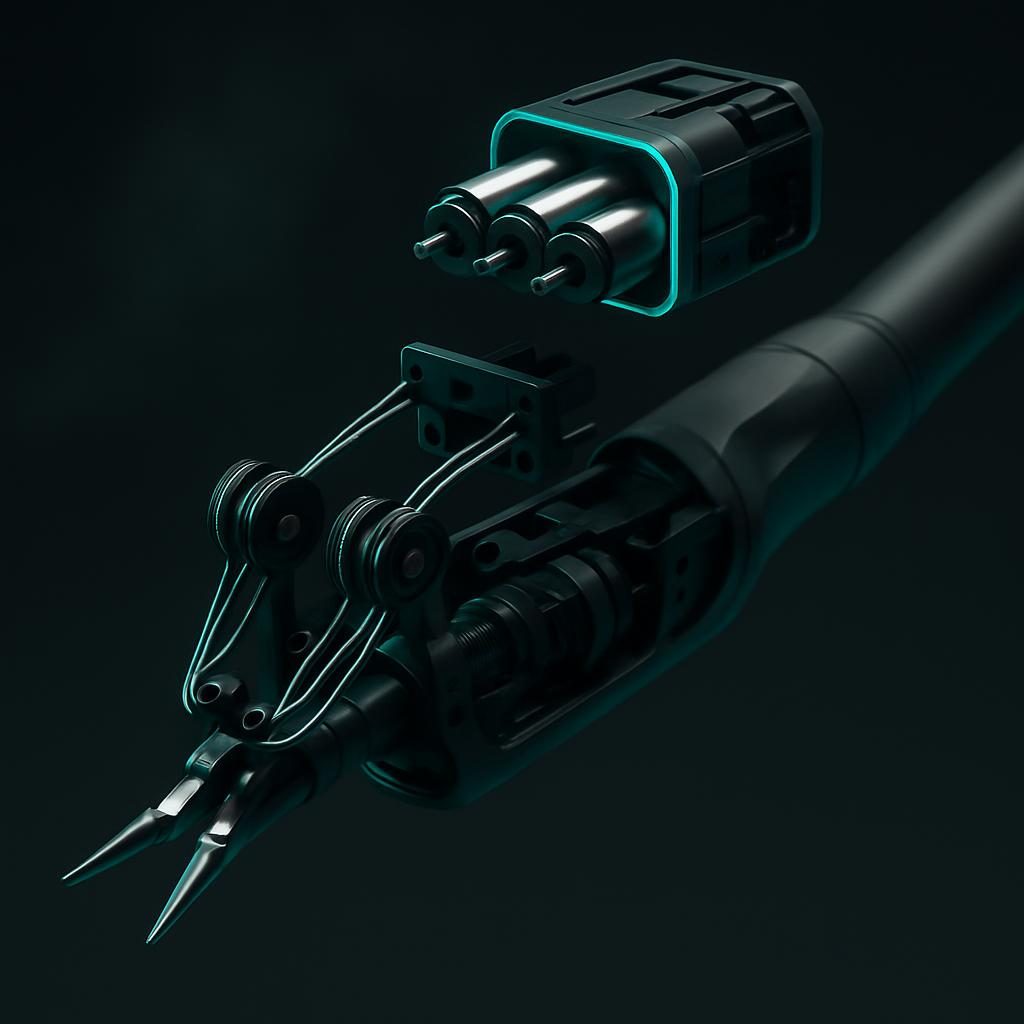
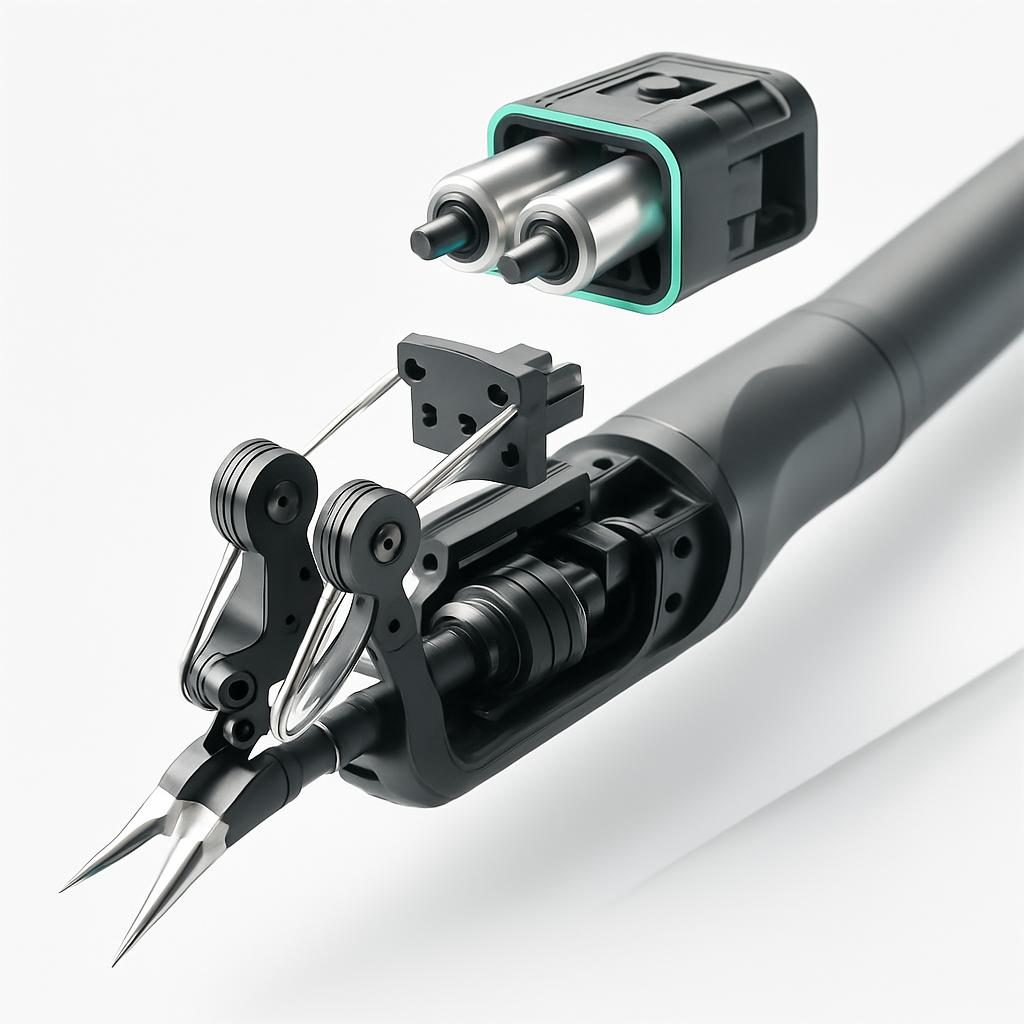
Capstan-driven articulation gives control and steadiness beyond the freehand instrument — the precise, scaled motion robotic surgery is prized for.

S.02 · NOTES
Compact enough to bring robotic capability to minimally-invasive, single-incision and natural-orifice (NOTES) procedures — through the smallest possible access.

S.03 · Mechanism
A motor pack integrated within the instrument body drives capstan articulation for precise, responsive actuation.

S.04 · Cost
Lower capital cost, a smaller footprint and far simpler setup than a console — robotic surgery mid-tier and emerging hospitals can actually adopt.

S.05 · Feel
Preserves the tactile and visual feedback that master–slave loops lose. The surgeon stays in direct contact with the operative field.

S.06 · Intelligence
AI motion guidance, connectivity and surgical data analytics — architected in from day one, not bolted on later.
Technology, supply chain, policy and unmet clinical demand are converging at the same moment.
CAGR for global surgical robotics, with APAC outpacing the global average.
Per console robot today — the cost barrier Aevum's handheld architecture is built to remove.
PUTH is one of 14 national pilot hospitals for high-quality development — a top Grade 3A center.
PolyU × Peking University Third Hospital Medicine-Engineering lab — MoU signed.
AI, connectivity and human-centric automation are now mainstream — the platform for intelligent instruments exists.
Miniaturized motors, MCUs, batteries and sensors at production scale across the Greater Bay Area.
Explicit national support for domestic medtech and surgical robotics, with APAC growth leading the world.
Early robotic-surgery patents are lapsing — a freedom-to-operate window is opening for new architectures.
Mid-tier and emerging-market hospitals want robotic surgery they can actually afford and deploy.
Aging populations, surgeon shortages, hospital cost pressure and government investment in surgical capacity.
We don't compete with da Vinci on capability ceiling. We open a distinct category — competing on accessibility, capturing the tier the market leaves unserved.
Intuitive (da Vinci), CMR Surgical (Versius), Medtronic (Hugo), Asensus (Senhance), Distalmotion (Dexter).
MicroPort (Toumai), Edge Medical (MP1000), Shurui Tech, Surgnova.
Handheld, simplified, accessible — a distinct category rather than a head-to-head competitor on the capability ceiling, capturing the unserved tier of the market.
The HKD 3M seed triggers the PolyU partnership and unlocks a much larger follow-on funding pipeline.

Subscribe to follow Aevum's progress — MVP milestones, the PolyU clinical program, and seed-round updates. For investor materials, tell us your role and we'll be in touch.
You're on the list. We'll reach out from the Aevum Surgical team with updates and materials.